The Key Montessori Education Benefits
The Key Montessori Education Benefits
By Blossoms Montessori School Editorial Team · Updated 2026-07-30
Montessori education develops independence, confidence, and academic readiness by nurturing cognitive, emotional, social, and physical growth in a supportive environment. Founded by Maria Montessori in 1907, the method uses hands-on materials and a prepared environment so young children build curiosity, concentration, and responsibility that extend far beyond the classroom.
Key Takeaways
- Montessori education focuses on developing the whole child through research-backed methods and specially designed learning materials.
- The Montessori method, founded by Maria Montessori in 1907, now operates in over 3,000 public and private schools.
- Montessori education fosters self-motivated learners who develop vigor and independence through individualized learning experiences.
- The American Montessori Society supports a caring community of parents, educators, and students committed to this educational approach.
What Is Montessori Education, Exactly?
Maria Montessori built her method on one central idea: children learn best by doing, not by passively listening. Montessori education benefits stem from a whole-child model that nurtures cognitive, emotional, social, and physical growth in a supportive environment, integrating academics with character development. That founding philosophy dates back to 1907. The approach now guides more than 3,000 public and private schools across the United States.
How does a Montessori classroom actually work?
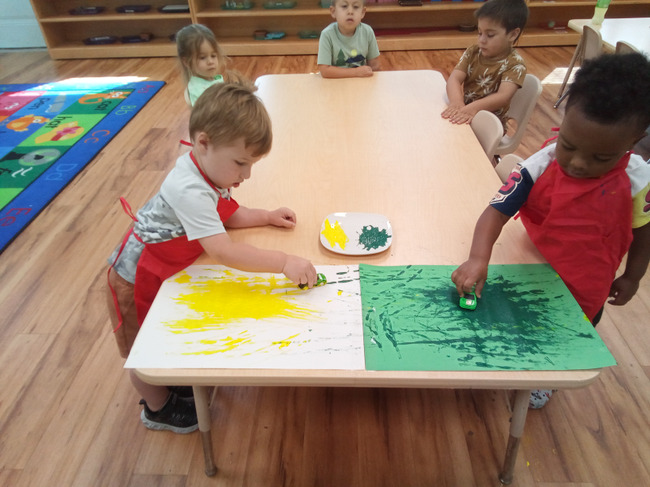
A Montessori classroom looks different from a typical one the moment a visitor walks in. The teacher, often called a guide, introduces an activity and then steps back. Children pursue their own interests at their own pace, while the guide observes and quietly tracks progress.
This hands-off structure is central to the Montessori method advantages most parents notice first. Rather than lecturing, the teacher prepares the environment and trusts children to explore within it.
Is Montessori a specific curriculum or a broader philosophy?
Montessori functions less like a fixed curriculum and more like a developmental philosophy applied consistently across ages. Programs serving young children build on the same core principles as they mature.
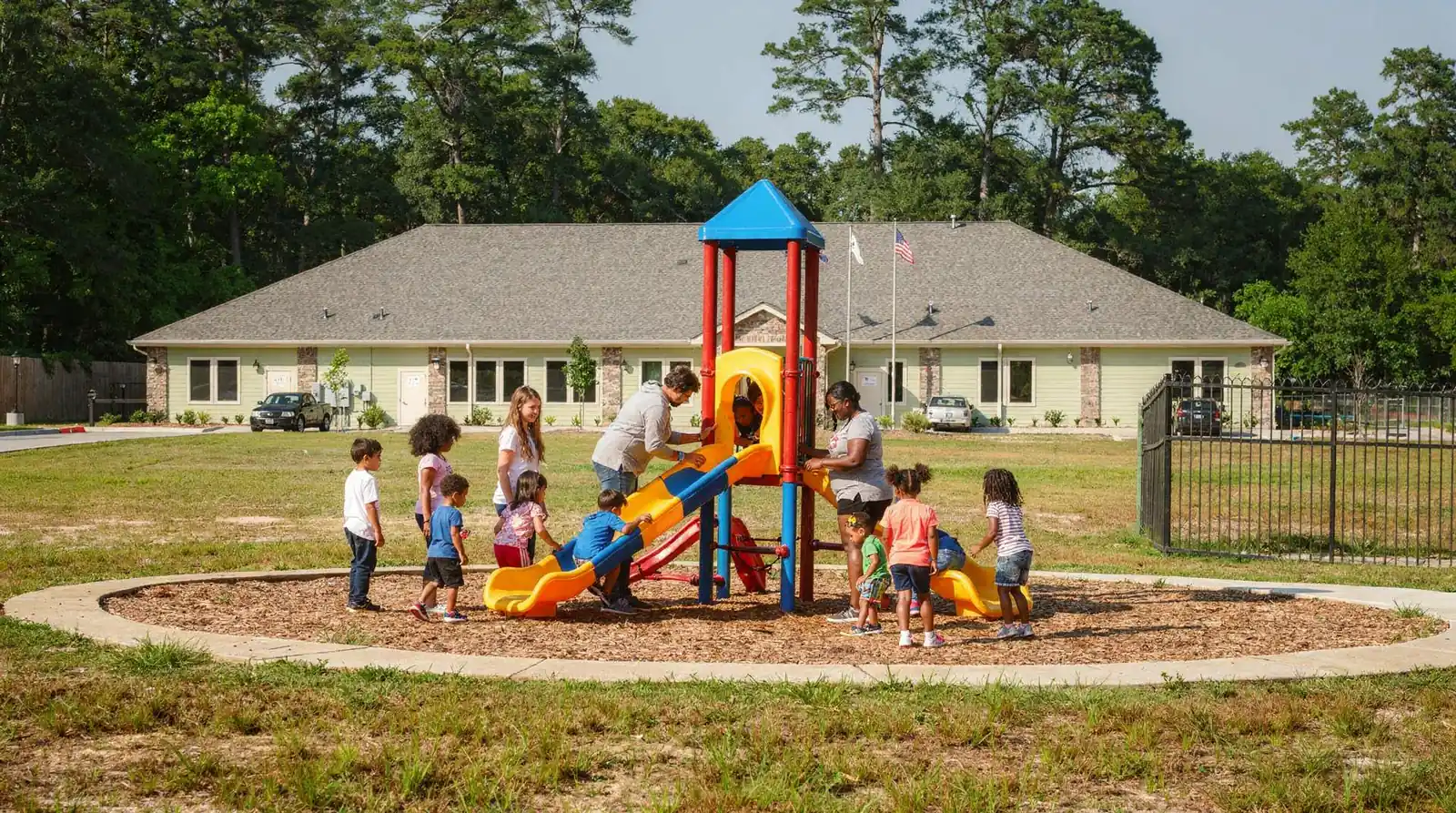
Schools such as Blossoms Montessori School, based in Spring, TX, apply this framework across early childhood, guiding children through the same whole-child model as they grow.
How Does Montessori Support Child Development?
Montessori classrooms build growth through hands-on materials and guided independence rather than lecture-style instruction. Children work with tactile objects, choose their own tasks, and practice skills at their own pace, which strengthens confidence, focus, curiosity, and emotional stability. This approach to Montessori child development treats young learners as capable individuals, not passive recipients of information.
The underlying goal is broader than academics alone. A well-run Montessori environment aims to shape children who are independent, inquisitive, creative, sociable, confident, and happy—qualities that carry into adulthood far beyond test scores. Emotional growth, social skill, physical coordination, and creative expression all develop alongside academic knowledge. The Montessori mission centers on the whole child's potential rather than one narrow measure of success.
Why does independence matter so much in early childhood?
Independence taught early becomes self-discipline later. Montessori independence and self-discipline grow together when children select their own work, correct their own mistakes, and manage their own time within structured limits. Confidence and collaboration, built in these first years, are strongly linked to long-term positive outcomes for students as they progress through school and life.
Why do the early years matter so much?
The first six years of life form the most critical window for brain and personality development. Skills practiced during this stage—concentration, patience, problem-solving—become the foundation for later Montessori academic outcomes and lifelong learning habits. Missing this window doesn't doom a child, but building strong habits during it makes every later stage of schooling easier.
Is Montessori Right for My Child?
A Montessori classroom suits children who thrive on hands-on exploration and benefit from steady, individualized guidance rather than rigid instruction. Determining is Montessori right for my child starts with observing how a child responds to independence, choice, and quiet concentration. Research on Montessori child development links this method to improved emotional stability, sharper cognitive function, and lower stress and anxiety compared to conventional classrooms. Confidence tends to grow alongside these gains, giving children a steadier emotional footing.
Beyond academics, Montessori students learn to build empathetic, caring communities — a social outcome not always emphasized in traditional instruction. The Montessori method advantages extend past test scores. The approach aims to prepare children for life, not just for school, shaping thoughtful, capable, and compassionate individuals.
What should parents look for in a Montessori classroom?
Families evaluating Montessori vs traditional education should watch for tangible, hands-on learning materials and daily chances for children to practice independent decision-making. These two markers separate an authentic Montessori environment from one borrowing the name without the philosophy.
Does Montessori support long-term self-discipline?
Montessori independence and self-discipline develop through repeated practice with self-directed tasks, reinforcing focus and responsibility that carry into later Montessori academic outcomes.
Montessori education cultivates the whole child—academically, socially, emotionally, and creatively. By honoring each child's unique developmental pace. Fostering independence within a prepared environment, this approach builds confident, self-directed learners equipped for lifelong success. At Blossoms Montessori School, we witness daily how children flourish when given the freedom to explore, the guidance to grow, and the respect to become their best selves.
FAQ
What are the main benefits of Montessori education?
Montessori education develops independence, confidence, and academic readiness by nurturing cognitive, emotional, social, and physical growth in a supportive environment through hands-on materials and a prepared environment.
How does a Montessori classroom differ from a traditional classroom?
A Montessori guide introduces an activity and steps back, letting children pursue their own interests at their own pace while the guide observes and quietly tracks progress, rather than lecturing.
Does Montessori follow a set curriculum?
Montessori functions as a developmental philosophy rather than a fixed curriculum, applying consistent core principles across early childhood. Seen at Blossoms Montessori School in Spring, TX.
Facts
- Blossoms Montessori School is located in Spring, TX, United States.
Written by Jabeen K
Montessori Director & AMI Educator
As a highly experienced Montessori educator with a coveted AMI credential from the Association Montessori International, I have spent over 22 years helping children discover their full potential through an individualized approach to learning. Along the way, I have mentored and coached countless educators, equipping them with the tools and techniques to foster growth in their own students. In fact, I have trained over 65 teachers to date. Currently serving as a Director, I bring a wealth of knowledge and expertise to every aspect of my work. Whether you are a parent seeking the best educational opportunities for your child or an educator looking to improve your own practice, I am confident that I can help you unlock your full potential.